Choose the support that works for you.
Practice one sentence: “Would you like help?” Then practice listening to yes, no or different instructions. Use the five-sentence activity.
For parents, grandparents and educators
“I want to try.” “I have an idea.” “I found a way.” Choose 5, 20 or 40 minutes that start with an adventure and continue with a decision of the child’s own. Make room for independence, planning and choosing when to ask for help.
Practice one sentence: “Would you like help?” Then practice listening to yes, no or different instructions. Use the five-sentence activity.
Read one scene, name Willy’s goal and invite children to draw two possible routes to the same destination. Try the classroom belonging activity.
Check a classroom route or school event for clear information, firm paths, rest options and more than one way to participate. Open the participation audit.
Room for every child’s ideas
Children choose what to try, suggest a solution and check what worked. Ask what they would change before another attempt.
Offer speaking, drawing, pointing, building or observing. Never require a child to explain a diagnosis or represent a whole community.
Avoid disability simulations. Teach children to ask, listen and change the environment instead.

In class and in the community
Connect a favorite adventure with a puzzle, a building project or a family outing. Ask what the child wants to do and which step they would choose. Leave room to change their mind, test an idea and ask for support.
Three simple questions
Planning a family or classroom activity
Start with the hero’s goal, ask which idea they could try and let the child choose a small step of their own. Focus on choosing, trying and checking rather than a quick answer.
Offer a real choice: try independently, think together or ask for a clue. Choosing support or a break can also be a way to lead the activity.
Offer speaking, pointing, drawing, building or observing. Adjust the challenge and support to each child while respecting their choices and privacy.
Adventure books, choices and confidence
“It’s hard.” “I want to do it myself.” “Wait, I have an idea!”
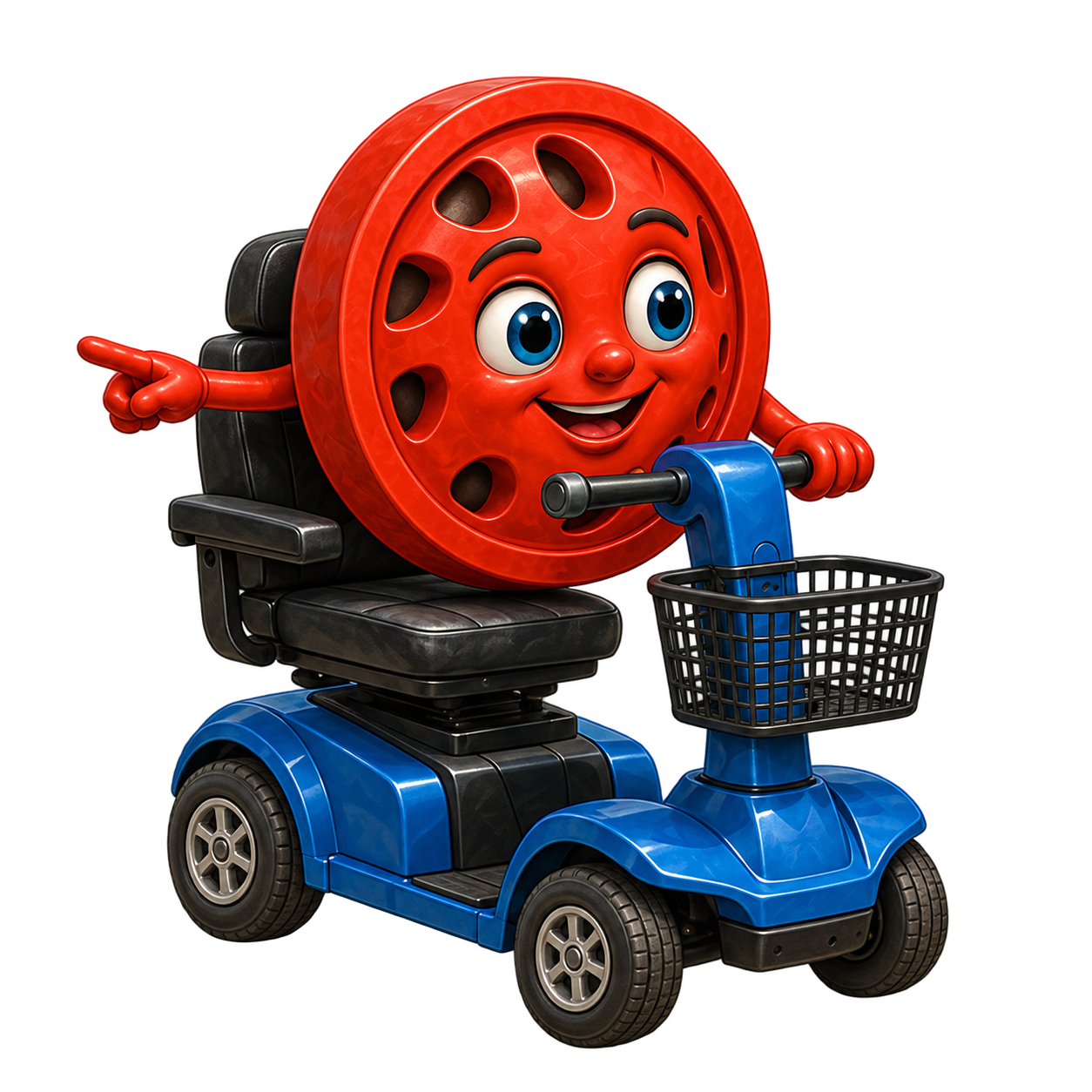
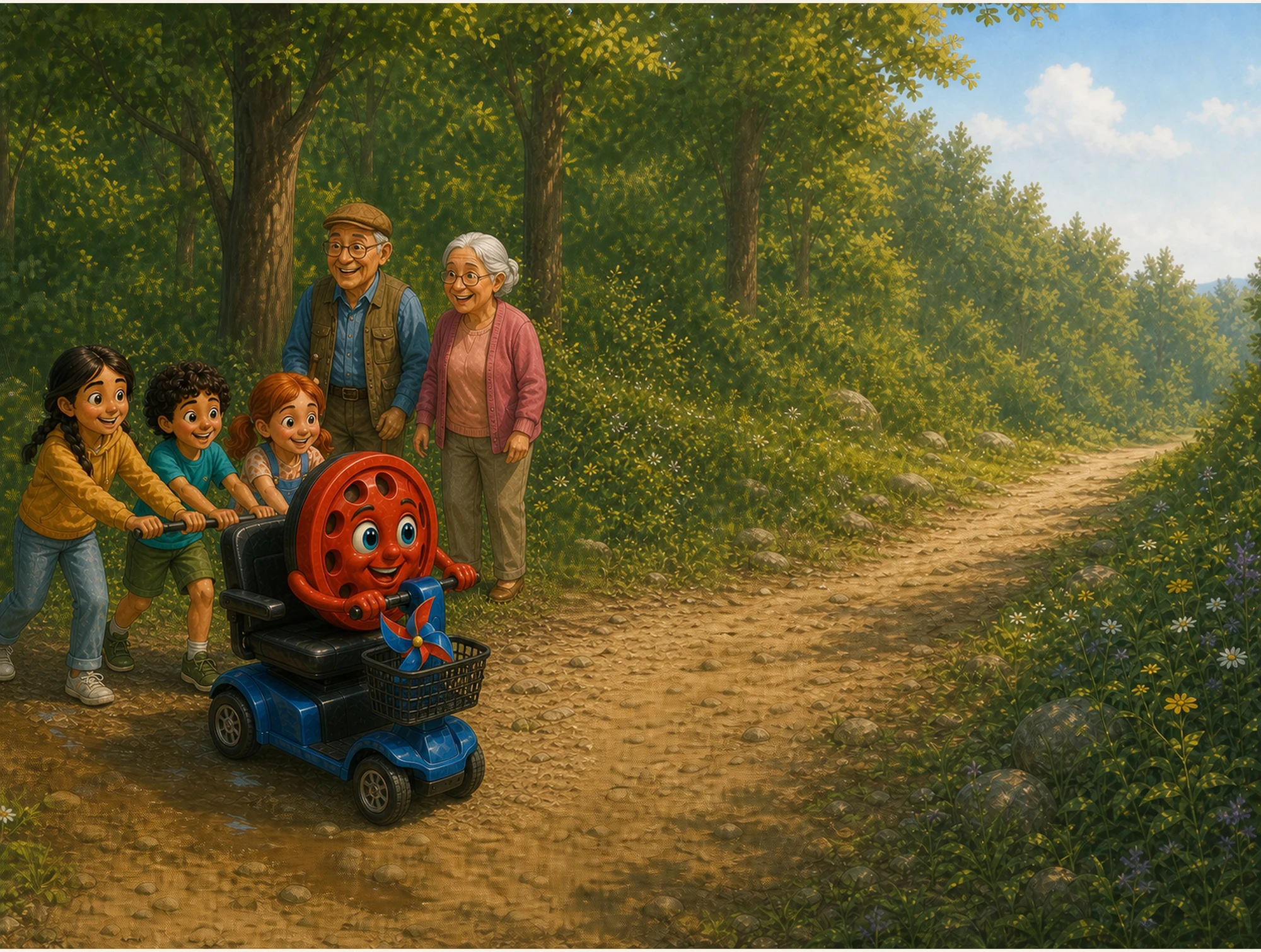
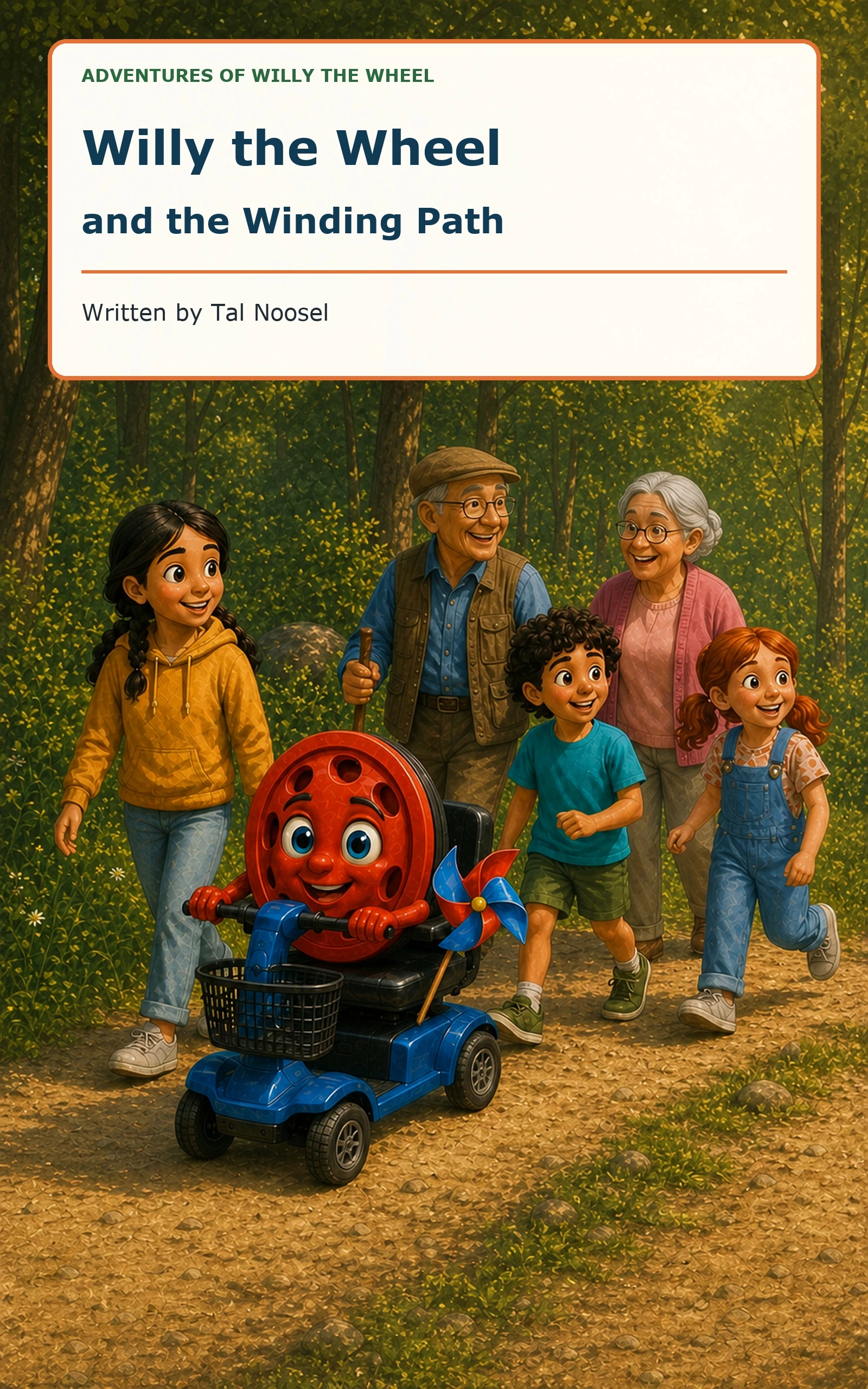
Know that moment when your grandchild says “It’s hard” or “I want to do it myself”? Introduce a hero with a goal and ideas of his own. Willy sets off on his blue mobility scooter, makes decisions and looks for a way forward when the path gets tricky. His adventure invites a spark of confidence: I can choose a step, try my idea and ask for the help that works for me.
Coloring pages for kids online and to print, creative activities at home, and guides to choosing picture books for ages 4 to 8.