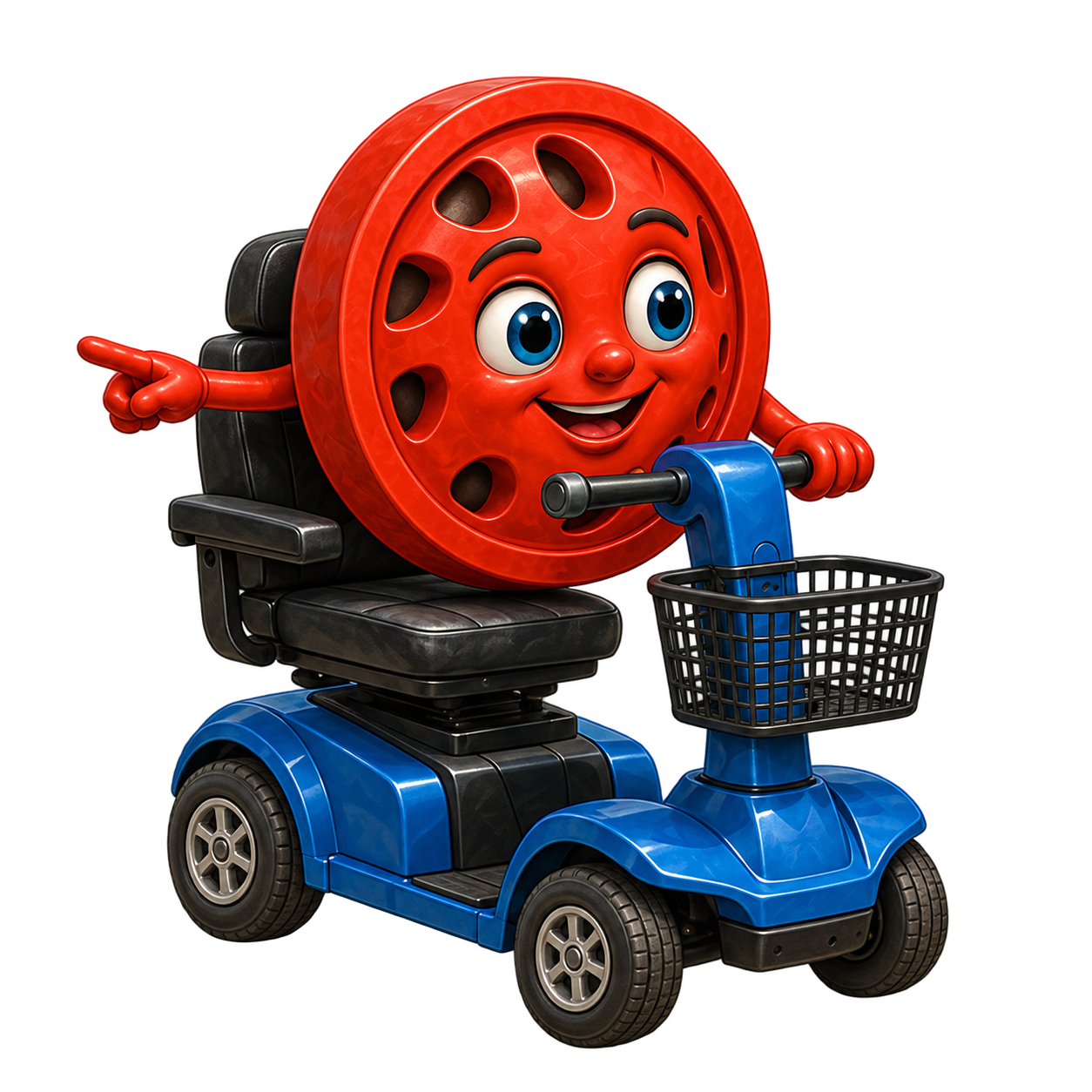
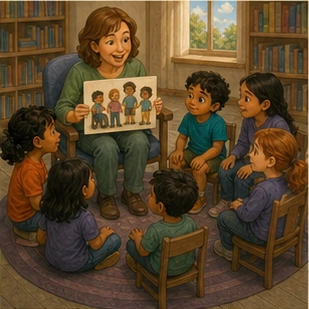
Every adventure starts with something we want to do. Before offering a solution, give the child room to name a goal, offer an idea and choose a step. These questions and activities connect Willy’s active role in his adventure with the small decisions children make in everyday life.
A read-aloud can open a rich conversation or reduce a character to a lesson. The difference often begins with the first question. “Don't you feel sorry for him?” directs children toward pity. “What did he want, and what stood in the way?” directs them toward story, agency, and design.
Good questions have more than one possible answer and point children back to words and pictures. No disabled child should be expected to confirm the lesson for the group.
Begin with desire
Ask what the character wanted before the obstacle appeared. Children notice friendship, adventure, celebration, or independence before disability becomes the only frame.
Then ask where the barrier sits. Is it in a step, rule, muddy surface, missing information, or decision made without the character?
Examine help and choice
Who asked before helping? What kind of help did the character choose? What would have changed if everyone had decided for them?
Invite children to notice moments when a friend listens, waits, or changes the plan. Quiet support can be as meaningful as action.
End with the community
Ask who else benefits from the final route and who contributed knowledge. A stroller, wagon, older adult, or tired child may use the same improvement without erasing why it was first needed.
Close with a local question: what is one route, instruction, or class activity we could examine more carefully? Let children draw rather than promise an instant fix.
Which question helped you see the character as a whole person?