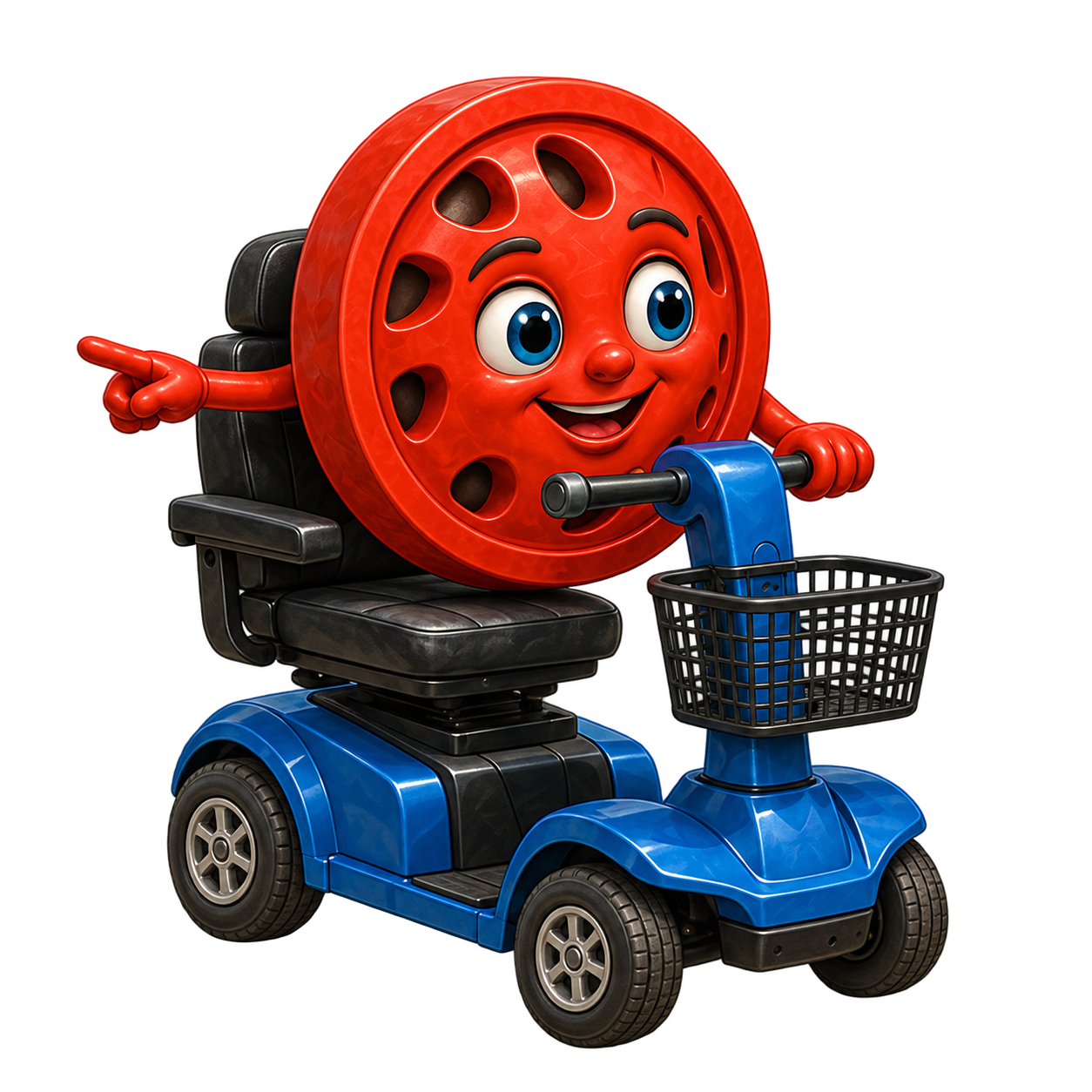
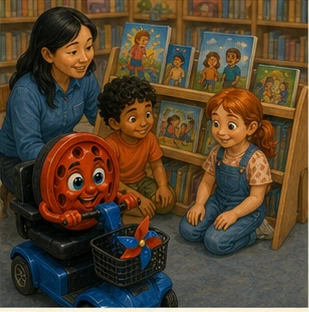
Every adventure starts with something we want to do. Before offering a solution, give the child room to name a goal, offer an idea and choose a step. These questions and activities connect Willy’s active role in his adventure with the small decisions children make in everyday life.
One disability-awareness title does not make an inclusive shelf. Children need many kinds of stories: some that directly explore access or identity, and others in which disabled characters cook, play, solve mysteries, join families, make mistakes, and enjoy ordinary days.
A strong collection is not a perfect checklist completed once. It is a living shelf that librarians, teachers, families, and disabled readers keep examining together.
This is a selection guide rather than a ranked list. Use the criteria below to review age fit, agency, language, illustration choices and the balance of the whole shelf.
Balance mirrors, windows, and everyday life
Choose books in which children can recognize themselves, learn about lives different from their own, and see disability present without becoming the entire plot. Include visible and nonvisible disabilities, varied families, cultures, and communication styles.
Prioritize stories with real goals and relationships. A label is not a substitute for a compelling book.
Review agency and language
Does the disabled character speak, choose, disagree, and affect the outcome? Is help asked for? Are mobility devices accurate and respected? Does the ending change an environment rather than cure a body?
Read the pictures as carefully as the words. An illustration can quietly isolate a child even while the text says everyone belongs.
Make the shelf usable
Add age notes, read-aloud questions, and one low-preparation activity. Place inclusive books throughout friendship, family, adventure, STEAM, and feelings sections rather than in a separate “special needs” corner only.
Invite feedback from disabled families and readers. When someone identifies a harmful trope, treat that information as a chance to improve the collection, not as an attack on good intentions.
Frequently asked questions
How do I choose children's books about disabilities for ages 4 to 8?
Check the age fit, the disabled character's agency, the accuracy of words and pictures, consent around help and whether the story offers a compelling goal beyond disability.
How many disability books should a classroom have?
There is no single number. Aim for disability to appear across friendship, family, adventure, STEAM and feelings books instead of relying on one awareness title.
Is this page a ranked book list?
No. It provides transparent selection and shelf-audit criteria. Willy's current book appears as one example and product link, not as an independently ranked best-book claim.
Where can disabled characters appear as part of ordinary childhood on this shelf?