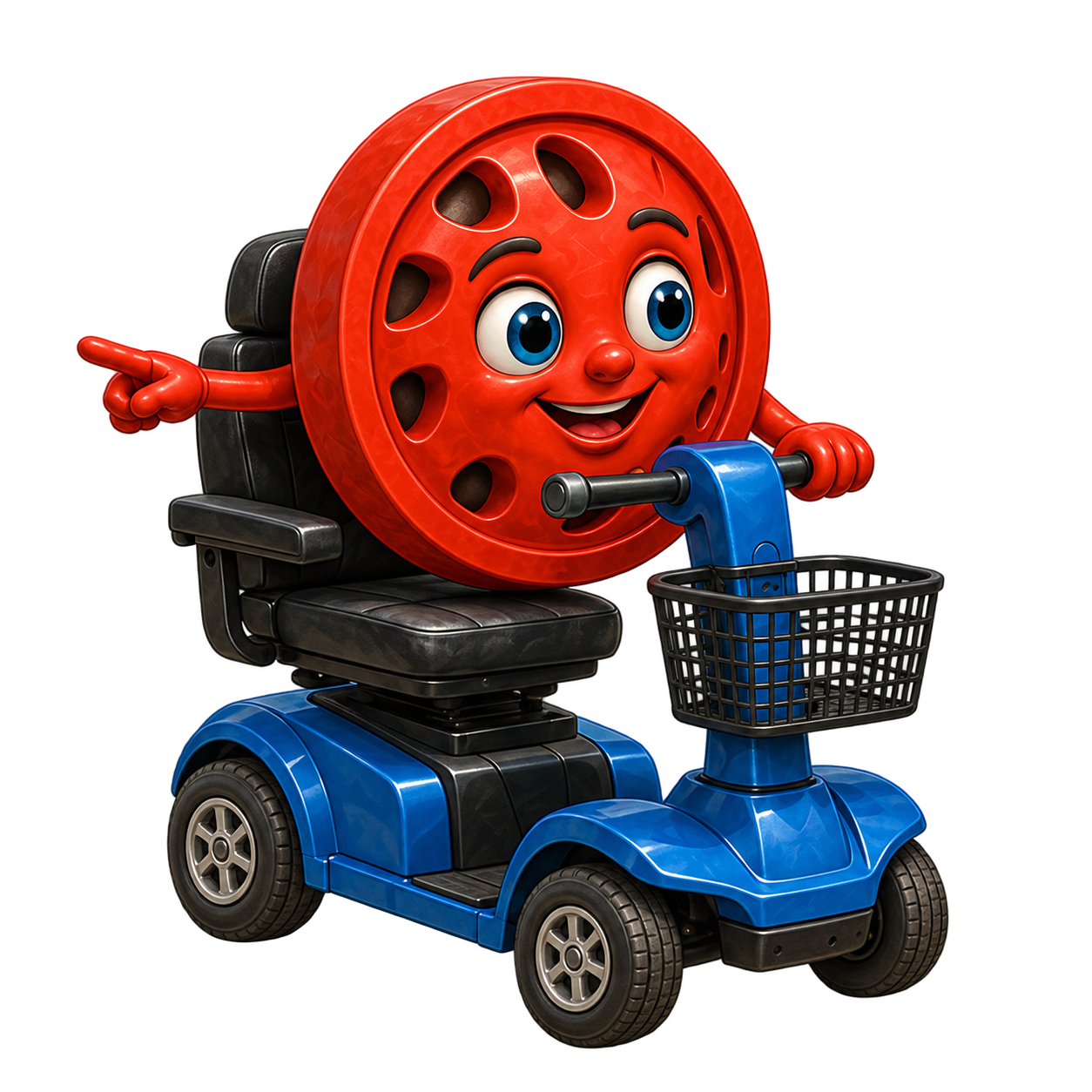
Every adventure starts with something we want to do. Before offering a solution, give the child room to name a goal, offer an idea and choose a step. These questions and activities connect Willy’s active role in his adventure with the small decisions children make in everyday life.
“I can't do it like them” can make an adult reach for reassurance: “You can do anything.” But the child may already be looking at a step, game, pace, or rule that truly does not work for them in the same way.
Hope does not require pretending the barrier is imaginary. A truthful opening is: “You really wanted that. This route does not work for you right now. Let's name the part you wanted and see what information or support could help.”
Stay with the feeling first
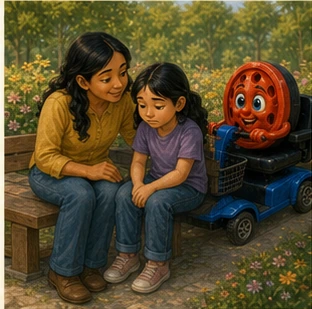
Make room for anger, envy, or sadness. “That is disappointing” tells the child they do not have to hide the hard part to protect the adult.
Avoid comparing them with someone who has it harder. Pain is not a contest, and comparison can make children stop telling the truth.
Separate goal from route
Ask what mattered most: being with friends, reaching the top, feeling the wind, performing, or choosing independently. The original route may be closed while the goal still guides a different plan.
Offer information rather than a decision made over the child's head. Admit when there is no complete answer yet, and include the child in deciding what to try next.
Leave one durable sentence
Try: “A different route does not make your life less.” Not everything will be possible, and not every solution will arrive today. The child's right to belonging, choice, support, and ambition remains.
A story can continue the conversation without making the child explain themself. Ask what felt familiar in Willy's experience and what felt different, then listen.
What was the part you most wanted, even if the first route did not work?